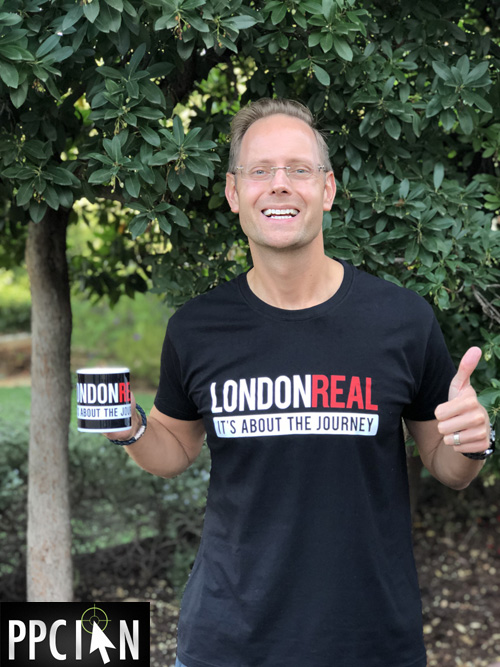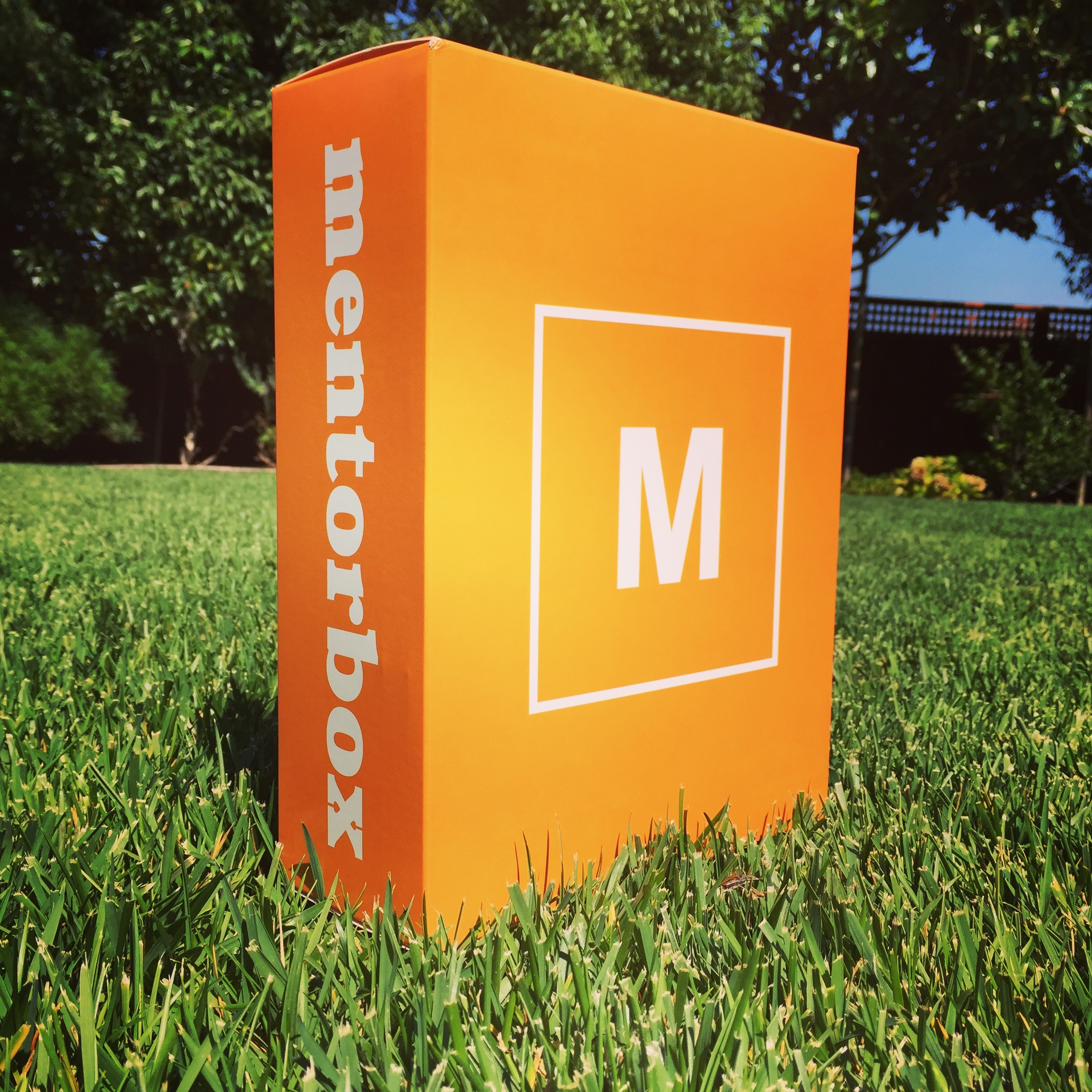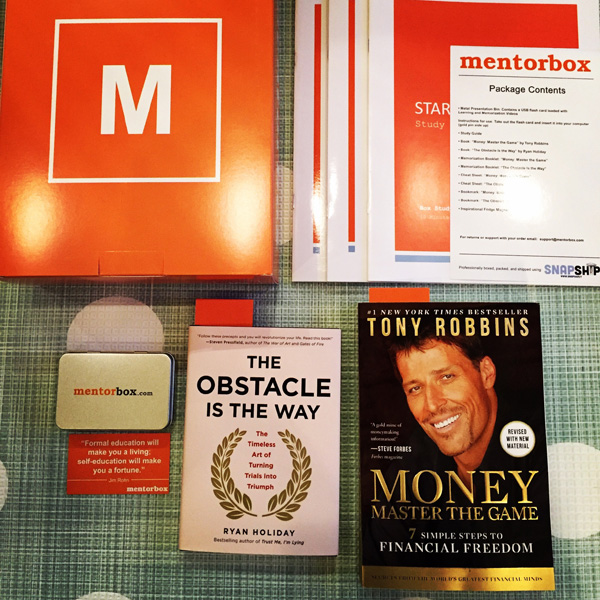
Those who have been following PPC Ian for a while know that I love MentorBox. A program co-founded by Alex Mehr, Ph.D. and Tai Lopez, MentorBox provides a truly unique self-education platform. As a paying customer, MentorBox got me reading again, and has me consuming and putting into action two books per month! These are books that are taking my life to the next level. I’m investing aggressively in my self-education.
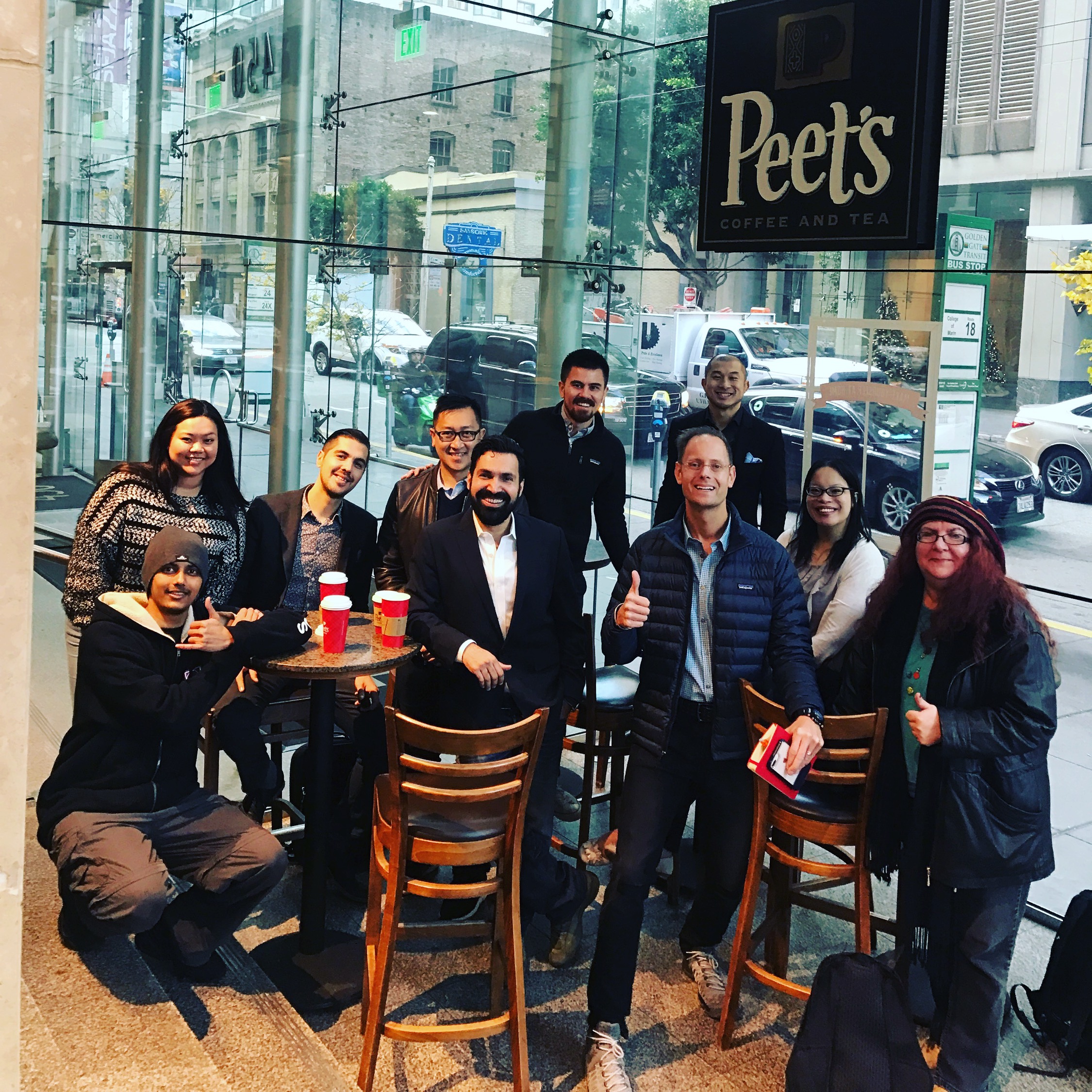
MentorBox Mastermind Meetup In San Francisco
Today’s post is a response to this very question. In short: Yes, MentorBox absolutely provides value above and beyond sales, marketing, and business. I’m on the physical box product and love the randomness of the books I receive spanning all different topics. As the most avid readers I know (including Tai Lopez, the man who reads a book a day), I truly enjoy how the MentorBox team chooses books for me each and every month. Most books are ones I would have never picked on my own – how amazing! (It’s this curation of books alone that provides a tremendous value in my life, but I’ve already covered that in length in my other reviews.)
You. Are. The. One. By Kute Blackson
Just recently, I received a book about spirituality called “You. Are. The. One.” by Kute Blackson. While I have enjoyed all of the MentorBox lessons that have come my way, this book is my favorite so far. In fact, I not only enjoyed the cheat sheet, study guide, nearly 2-hour video interview with Kute himself, but also read the book cover-to-cover. I don’t read all of the books in MentorBox, but I do from time-to-time when the topic really draws my interest.
An Adventure In Spirituality
I consider myself a spiritual person, increasingly so over the last few years. Spirituality has become an important component of my life, and one that I want to develop substantially. Spirituality brings comfort, motivation, big ideas, energy, caring for others, purpose, and so much more! As soon as I received this book, I knew it was going to be a great one!
Kute Blackson: The New Voice of Spirituality
Let’s start with the author. I’m really impressed with Kute Blackson. Not only is his message powerful, but his delivery is even more powerful:
- Upon watching the video with Jonathan Kendall (COO at MentorBox) and Kute Blackson, you can clearly experience and appreciate the power of Kute’s delivery. Having grown up in a large church environment, Kute is a master of public speaking. In fact, for years he went to his father’s church in the middle of the night to practice preaching. I truly appreciate the preaching style of Kute’s delivery. He’s a pastor for the Internet generation.
- Kute Blackson really has a larger-than-life presence. His approach is grounded in confidence, knowledge, power, and caring for others. MentorBox adds a completely new dimension to Kute’s work because the video allows us to all experience Kute’s presence (and this presence does not come across in reading the book alone).
- It is a personal goal of mine to smile more frequently, so I really enjoyed seeing Kute’s smile throughout the video. Experiencing Kute’s smile and his ability to toggle between serious and happy topics is truly unique.
- Kute’s life experience is incredible and is the source of his great wisdom. I suggest enjoying this book to learn how real-world challenges and life experiences have shaped Kute’s philosophy and timeless wisdom.
Lessons Learned From You. Are. The. One.
I cannot even begin to summarize this book, because the lessons are so incredibly bountiful and deep. However, I want to take this opportunity to share three of my favorite insights from You. Are. The. One. (and the accompanying MentorBox materials).
Lesson 1: Follow Your Authentic Self
Kute explains that we all have greatness encoded in our genes. Literally, he says, "YOU ARE THE ONE." We also all have gifts, passions, and dreams. We have everything we need!
The world does not owe us anything. Nobody owes us anything. Rather, we all owe the world our gifts. We are in a unique time in human history, and the world needs our gifts more than ever before.
It is no coincidence that one has a particular dream. It is not by accident. Your dream has chosen you. Go after that dream with everything you have. Make sure that your dream aligns with doing greater good for society. It’s time to serve others!
Lesson 2: Your Thoughts Are Not Who You Are
How many of you reading have negative thoughts come up from time-to-time? How about de-motivating thoughts, ones that tell you that you are not good enough or may never live the life you want? Reality check: Everyone has these thoughts. And, they are absolutely not real.
Kute explains that thoughts are completely different from who we are. They are a representation of our brains trying to be cautious and protect us, a relic from old times. We need to observe our thoughts, but we do not need to dwell on them. If a de-motivating thought comes up, it’s important to realize that it’s just a thought. And, it’s important to give it no power!
On a higher level, Kute asks us to challenge our entire way of thinking. Are there certain beliefs that we hold because of our conditioning? It’s important that we all seek our own truth. We should not allow our minds to take away our freedom and dreams.
Lesson 3: Spirituality Is Everywhere
If you’ve been reading PPC Ian for a long time, you may remember that I like to Pray While I’m Running. In a similar way, Kute explains that life is a meditation. Spirituality is everywhere. Spirituality should be a part of every moment of one’s life. There is no separation. Life is about enjoying the ordinary moments, and there is deep meaning in all moments.
Thanks MentorBox, For An Incredible Book On Spirituality
I truly enjoyed this book, and hope my review helps illustrate the diversity of titles and topics within MentorBox. (MentorBox is definitely not only about lessons in sales and marketing.)
Each year, I’m a big fan of giving holiday gifts to business partners, friends, co-workers, and family. The Five Minute Journal has been a favorite gift to give, and I always have a stack of them ready to go. In fact, I just handed out two Five Minute Journals last week!
I’m pleased to now have another go-to gift book, "You. Are. The. One." by Kute Blackson! I just ordered a stack, and look forward to giving these out as gifts too. This holiday season, I already have a list of friends and co-workers who will receive this book from me – how neat! (As a bonus tip: Whether I’m giving away The Five Minute Journal or You. Are. The. One., I like to take the time to write a heartfelt message inside the cover. It’s all about making gifts personal and meaningful!)
Say Thank You To PPC Ian – My MentorBox Affiliate Link
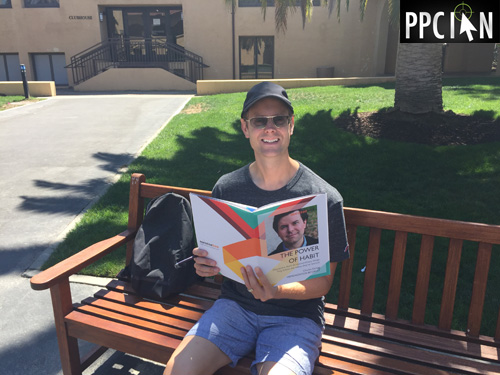
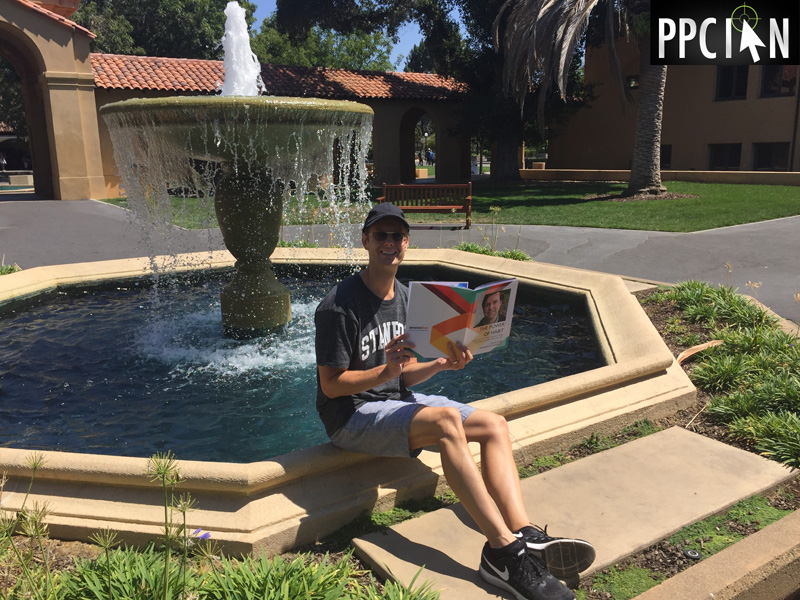
Stanford University (My Alma Mater) Is The Perfect Place To Take In Mentor Box
Of course, you can always head directly to MentorBox as well. At the end of the day, I just want to see you thrive. I wish you all the success in the world!
Want To Learn Even More?
Want to learn even more about MentorBox? I have a variety of posts here, and YouTube videos too! I hope you enjoy all of them. Another fun recent one is My 15-Day MentorBox Challenge. Learn how I personally approach MentorBox each month, getting maximum time efficiency and results. On a related note, my other recent post Is MentorBox Worth It? (Of Course!) elaborates on my MentorBox process even more. I think you will enjoy these posts, as they mark the evolution of my own personal self-education strategy. Just beginning on your journey? My Original Mentorbox Review is a brilliant place to start, offering an overall review of the program and also several video reviews. It’s the hub of all things Mentorbox here on PPC Ian.
Affiliate Disclosure: I am a MentorBox affiliate. If you find my review helpful and end up purchasing via my affiliate link, I will earn a commission and be grateful for your support.